
Dolphin Census 2026
NSW Dolphin Census – Volunteer Opportunity
Saturday 30 May 2026
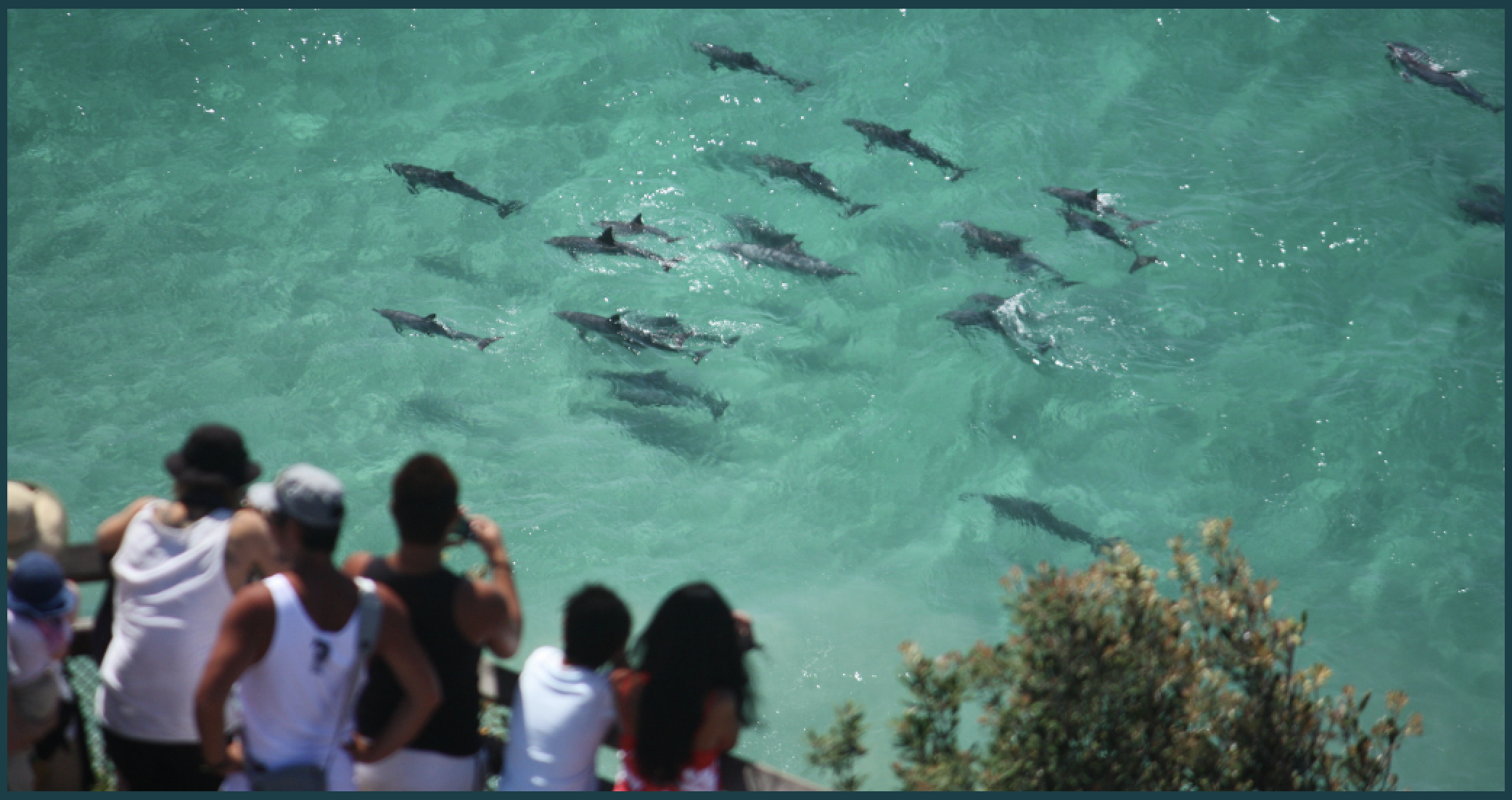
Communities along the New South Wales coast are invited to take part in an exciting new citizen science initiative — the first statewide Dolphin Census.
Led by Dolphin Research Australia in partnership with the NSW National Parks and Wildlife Service, this one-day event aims to build a clearer picture of dolphin populations and habitats across the state.
Get Involved
Volunteers of all ages and experience levels are encouraged to participate. Whether you’re a seasoned nature observer or simply love the coast, this is a unique opportunity to contribute to marine conservation.
Participants will:
Choose a favourite coastal vantage point — beaches, headlands, harbours, bays or estuaries
Spend at least 15 minutes observing for dolphins
Record sightings to contribute to a statewide dataset
You can take part individually, with friends, or as part of a group. Binoculars or a camera with a zoom lens are helpful but not essential.
Training Provided
All registered volunteers will receive training before Census Day. Options include:
In-person sessions
Live online webinars
Self-paced online learning
Training covers:
Identifying dolphin species
Collecting reliable data
Conducting safe and responsible observations
No prior experience is required.
Why It Matters
Despite their popularity, there are still major gaps in our understanding of dolphins along the NSW coast. This census will help:
Identify which species are present
Map hotspots of dolphin activity
Understand important habitats and behaviours
This information is critical for improving conservation and protecting these iconic marine mammals.
As noted by Dolphin Research Australia CEO Dr Liz Hawkins:
“By working together as coastal communities, people across the state can help improve our understanding and contribute to protecting dolphins and their habitats.”
Dolphins of the NSW Coast
The most commonly seen species is the Indo-Pacific Bottlenose Dolphin, often found in:
Estuaries and harbours
Coastal waters
Surf zones
Other species that may be observed include:
Offshore bottlenose dolphins
Common dolphins
Australian humpback dolphins
Occasional visitors such as orcas, false killer whales, and Risso’s dolphins
Some local populations are surprisingly small — in certain areas numbering just 40–90 individuals — and may stay within the same stretch of coastline for their entire lives.
Supporting Conservation
This project is supported by the NSW Government’s Marine Estate Management Strategy, a long-term initiative focused on:
Restoring habitats
Improving water quality
Protecting coastal biodiversity
Supporting healthy communities and ecosystems
Register Now
To take part, register and complete your training before Census Day:
Atlas of Life Participation
We encourage Atlas of Life contributors and the broader Coastal Wilderness community to get involved. This is a fantastic opportunity to contribute to a coordinated, large-scale citizen science effort and deepen our understanding of the marine life that shares our coastline.